Small dogs can join many city adventures, but their size does not make every journey easy. Crowded sidewalks put them close to moving feet. Long sightseeing days add up quickly. Transit operators, hotels, and restaurants can all have different pet rules. A little preparation turns the first day in a new city into a manageable introduction.
Choose a home base for walking
Look beyond a hotel’s pet-friendly badge. Read the current pet terms, including size limits, fees, unattended-pet rules, and which parts of the property allow dogs. Check the map for a low-stress place to take the first and last walks of the day. A nearby green space or quiet block can matter more than proximity to a famous attraction.
Ask whether your dog can wait calmly in unfamiliar accommodation. If the property does not allow unattended pets, plan meals and indoor attractions accordingly. Never leave a dog in a parked vehicle; the AVMA vehicle guidance explains why that can be dangerous.
Rehearse the travel pieces
If you will use a carrier, let your dog become comfortable with it before departure. Practice short waits, lifts, and movement in familiar places. Measure the carrier rather than guessing it fits a train or airline policy. Each operator has its own requirements, and rules can change. Bring accessible records if your destination or transport provider requires them, and ask your veterinarian about destination-specific health questions.
For a road trip, plan safe restraint and regular opportunities to stop. Pack the dog’s usual food and keep a little extra in case of delay. Put the lead where you can reach it before opening a car door. A rushed transfer at a curb is when small practical habits matter.
Make day one deliberately small
After check-in, take a simple neighborhood walk. Let the dog learn the building entrance, the route to a relief area, and the sounds outside. Return for a rest before adding a destination. The familiar rhythm of food, water, walking, and sleep can help a new place feel less overwhelming.
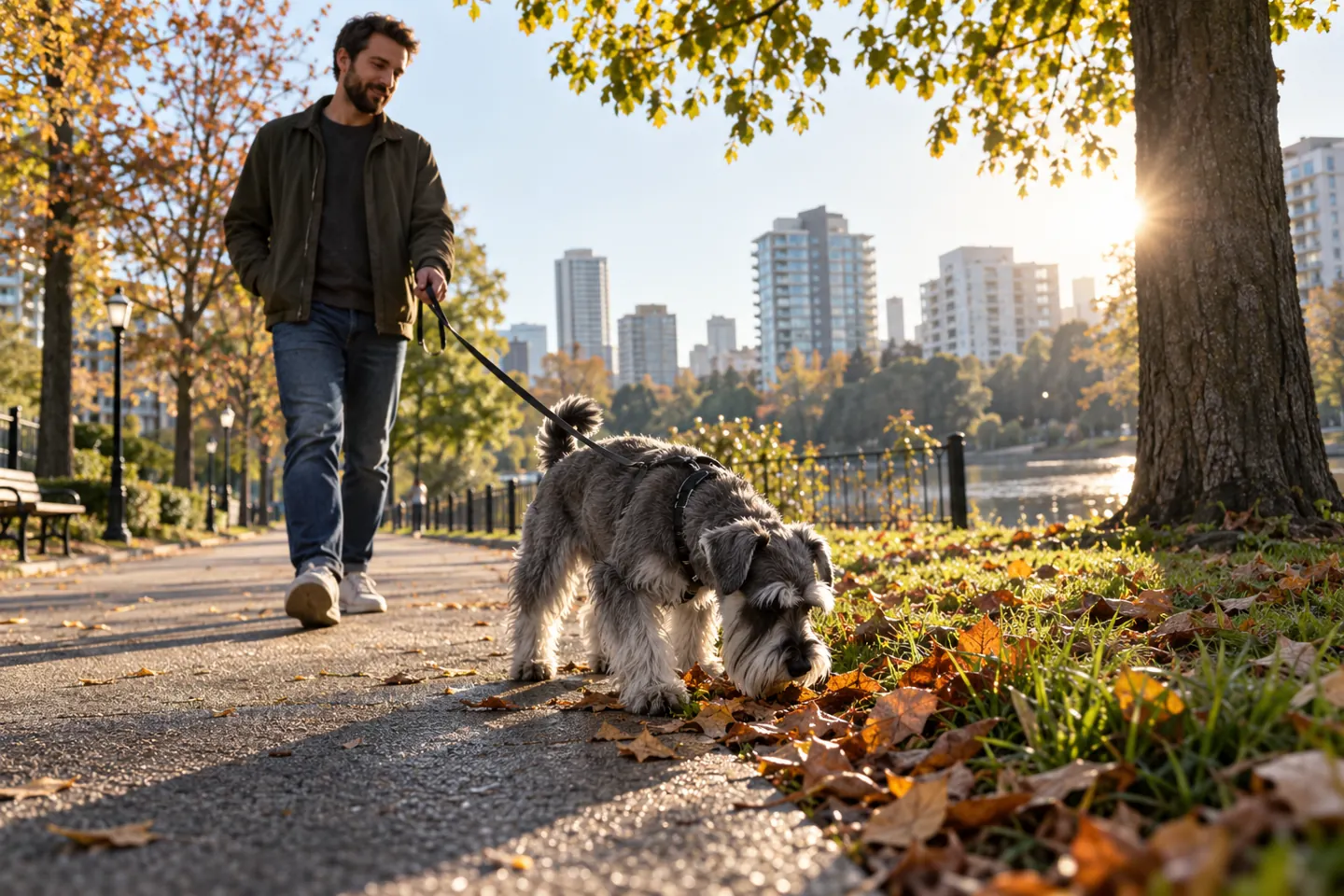
Pick one accessible outdoor attraction for the first outing. A riverside path, small park, or neighborhood square gives you more flexibility than a timed ticket. Keep the route short enough to return easily if your dog needs a break. Our city day planning guide offers a route framework you can reuse in any destination.
Navigate crowded streets at dog height
Look ahead for narrow pinch points, fast cyclists, outdoor dining queues, and pavement litter. Keep your small dog near your side at crossings and give people room to pass. Carrying a dog may be useful briefly when it is safe and permitted, but it should not substitute for checking whether an area welcomes pets.
Use quieter parallel streets when the main avenue becomes busy. Avoid forcing greetings with unfamiliar dogs. Small dogs need the same right to decline interaction as large dogs. If your dog is tired, change the plan instead of asking for another sightseeing loop.
Build a flexible shortlist
- One calm morning walk close to where you stay.
- One outdoor destination with confirmed dog access.
- One rest point offering shade or shelter.
- One route home that does not depend on a single transit option.
- The address and contact details of a local veterinary clinic for unexpected needs.
Save these details before travel, since you may have limited service at the moment you need them. Check official local park rules and transit guidance on the day, particularly when seasonal events alter access.
Eat and explore without guesswork
Call ahead about patio dogs; “outdoor seating” alone is not a promise. Choose a table with space where the lead will not cross a walkway. Keep the dog settled beside you, not on a chair or in another guest’s space unless the business explicitly permits it. The AKC’s guide to restaurant readiness is a useful prompt for deciding whether a meal out fits your dog.
If an attraction is indoors and does not admit pets, alternate activities with a travel companion or arrange suitable care. Do not assume you can improvise pet access at the entrance. It is easier to enjoy a city when you have fewer destinations and more time at each one.
Remember what the dog noticed
At the end of the day, note the places where your dog looked comfortable and the parts that were difficult. Tomorrow’s plan can be built around those observations. A new city is best explored as a series of small, good experiences, not a checklist of every landmark.
Use a carrier as a tool, not a promise
A small dog in a carrier may be easier to manage on a permitted transit system, but the carrier does not automatically grant access. Check exact size and enclosure rules for the operator. Keep your dog comfortable with the carrier in short practice sessions at home before adding a platform, crowd, or long wait.
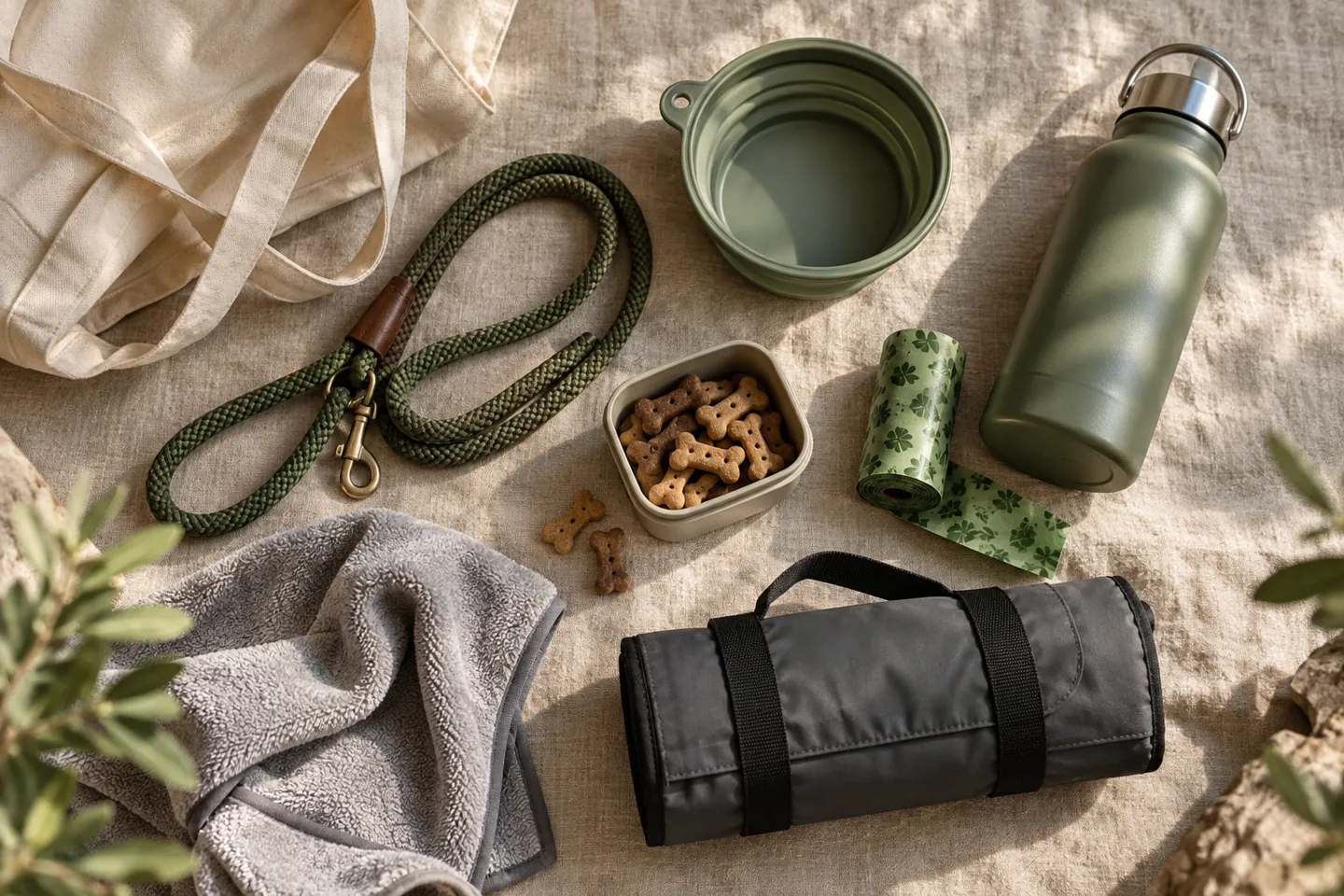
Pack a familiar mat or towel, and make sure you can carry your own luggage while attending to the dog. A heavy suitcase, a bag, and a dog can turn a simple transfer into an awkward one. Reduce luggage or arrange help rather than assuming the dog will cope with a rushed connection.
Read a map as a pedestrian
The shortest route on a map might cross a large junction or run alongside a busy road. Inspect the pedestrian route and look for green space, wider sidewalks, and places to pause. Search for a route back that is not dependent on a single crowded train. In a destination you do not know well, it is worth saving an offline map before leaving your room.
An attraction may look close but have a steep climb or long exposed waterfront approach. Check the terrain and weather before you head out. A small dog can tire during a series of short-looking segments that add up to an all-day walk.
A first-day rhythm
Arrive, settle into the accommodation, and take a short relief walk. Offer water and a normal meal. After a rest, visit one nearby outdoor place with confirmed access. Leave the evening free. This gives your dog time to process travel while giving you a chance to discover practical details like the easiest entrance and the quietest block.
On the second day, add one unfamiliar element: a longer walk, an outdoor cafe, or a transit journey. Combining them all at once makes it harder to tell which part your dog finds challenging.
If the plan stops working
Have the address of your accommodation ready and know how you can return on foot or by a permitted transport option. If your dog seems uncomfortable, shorten the sightseeing. If you notice concerning health symptoms, seek veterinary help. A flexible visit allows you to enjoy the city on another day; pushing through a hard first day rarely improves tomorrow.
Keep the itinerary honest
Write a short list of places that are genuinely compatible with a dog, rather than saving every attractive attraction in the city. Label uncertain places “verify” and check them with the operator before departure. Save one indoor or dog-free activity for a time when your dog can be safely cared for.
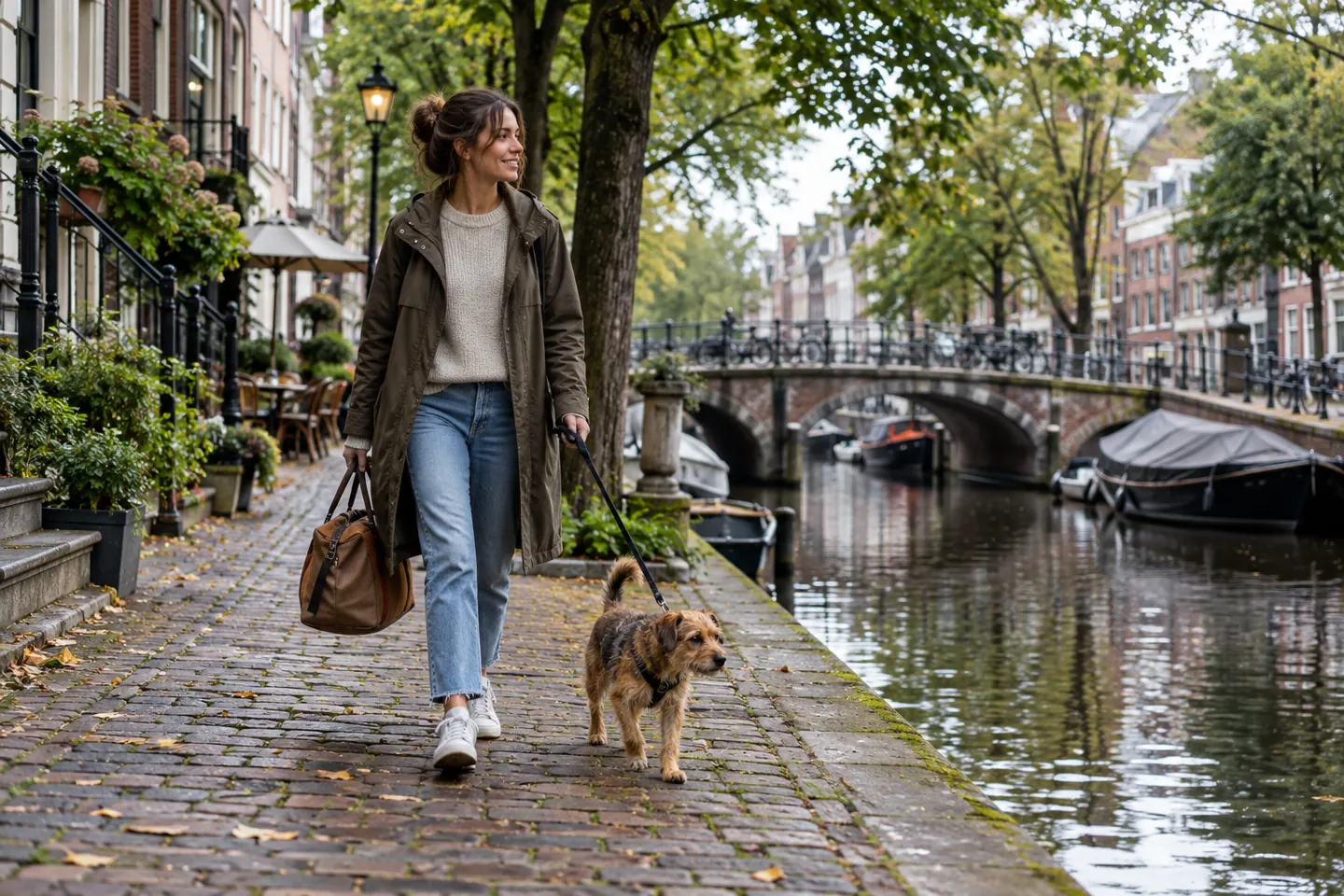
Before booking the next day, leave room for the travel itself to be memorable. The block beside a canal or a quiet neighborhood bakery patio may offer more pleasure than a long transfer to a celebrated landmark. Your dog is exploring a new place at a different pace from yours.
Confirm the current rules of each destination and shape the plan around your own dog’s comfort. For a sudden health concern, contact a qualified veterinarian.