More city.
More sniffing.
Better days.
City life with a dog is a collection of small decisions: which street to take, when to pause, and whether that exciting event will actually be fun for your companion. We write practical, optimistic guides for people who want to explore without losing sight of their dog’s comfort. Find the quieter route, pack a lighter bag, and leave room for the day to surprise you.
Plan your next outing ↗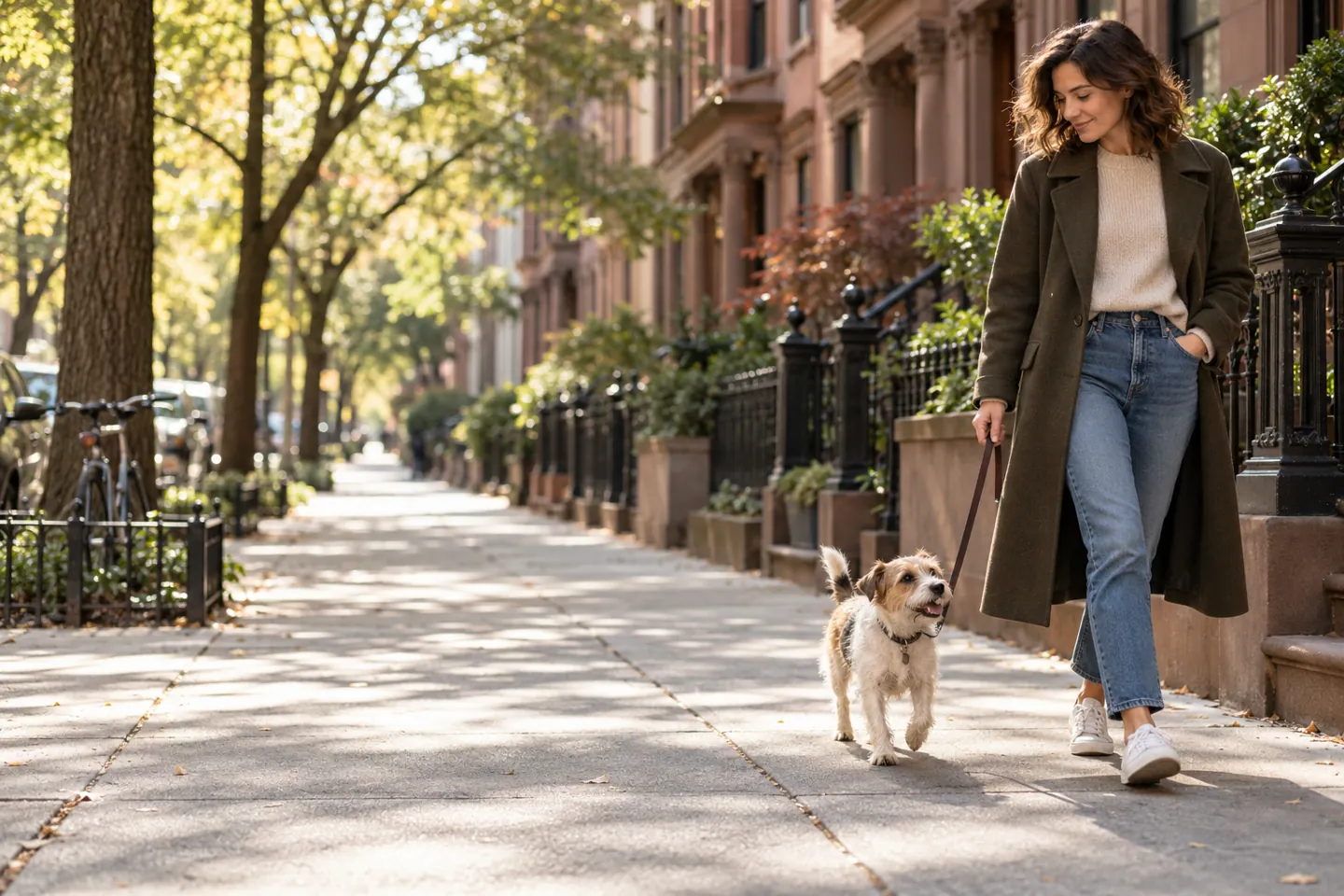
Before you take your dog into the crowd
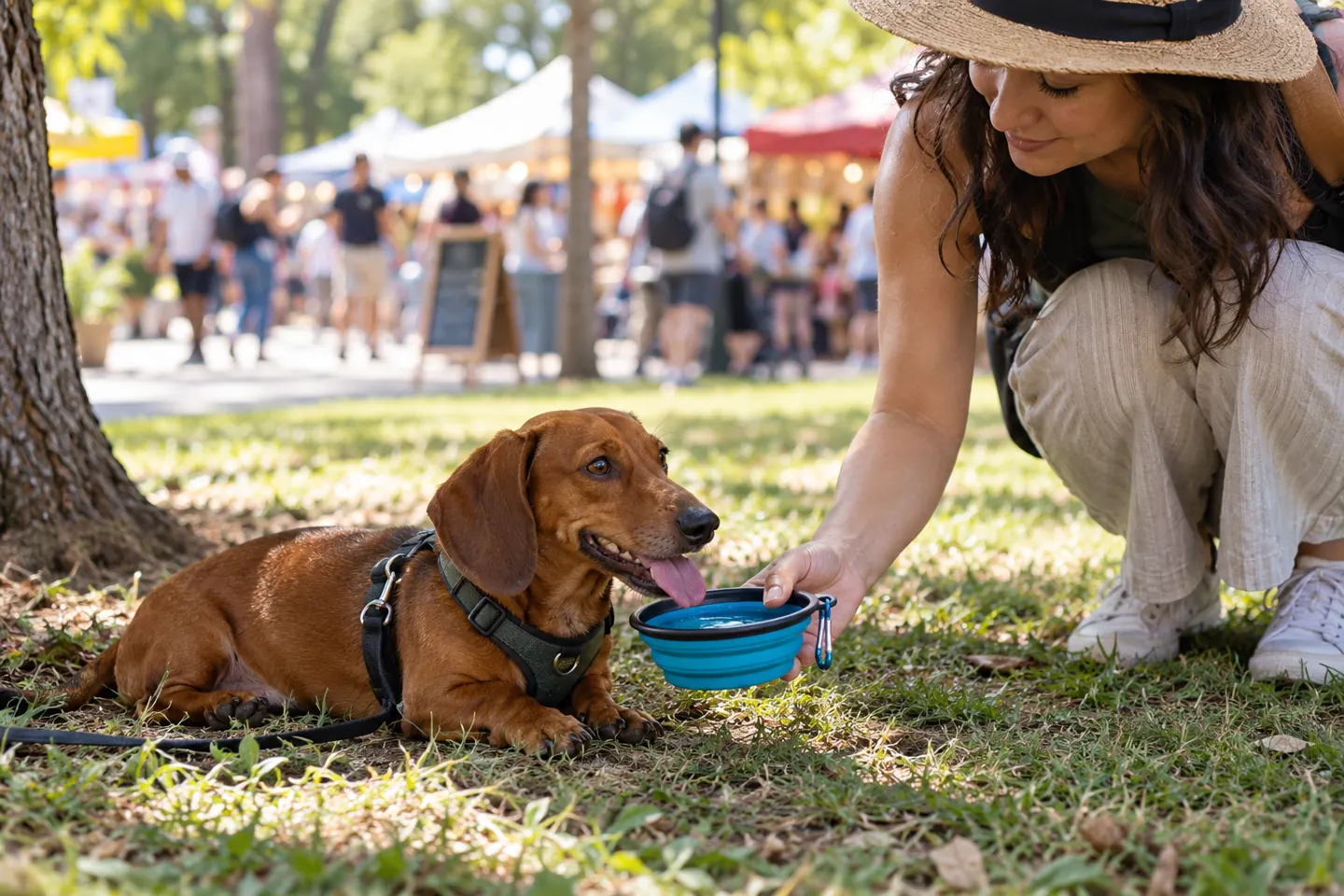
An open-air event can mean music, queues, new dogs, food on the pavement, and little room to step aside. Our event guide starts with the most useful question: is this place right for your dog on this particular day?
Learn how to check the actual pet policy, find an easy exit, arrive at a calmer hour, and notice when a short visit is enough. You can enjoy an event without staying for every minute of it.
Read the event guide ↗The city is a shared space. So is every walk.
Dog-friendly living is less about finding a list of places that allow pets and more about understanding what a particular place asks of you. On one block you may be passing a loading zone; on the next, a crowded cafe or an unusually calm stretch of shade. The route changes even when the map does not.
An apartment dog does not need every outing to be a grand adventure. A familiar loop with a few sniffing pauses can offer plenty to notice. Some days call for a park. Others call for a short trip outside and a long rest afterward. Paying attention to your dog’s reactions gives you better information than copying someone else’s schedule.
We like plans that work at street level. Choose a quieter hour if the main avenue is busy. Leave space for a wheelchair user or stroller to pass. Ask before a dog greeting. Know where you can retreat if a market, patio, or transit platform gets too loud. These are simple habits, but together they make city life more comfortable for your dog and your neighbors.
Weather belongs in the plan. Summer pavement can be hot, while rain can turn an easy walk into a slippery errand. The ASPCA’s hot-weather guidance is a useful reminder to offer water and shade and take care around asphalt. What matters most is adjusting the day before the dog has to ask you to.
You will not get every choice right. Learn which routes lead to calm, which corners your dog dislikes, and how long they settle comfortably at a stop. The most dog-friendly city is the one you learn to navigate together.
Read the walking guide ↗Useful for the next time you head out.
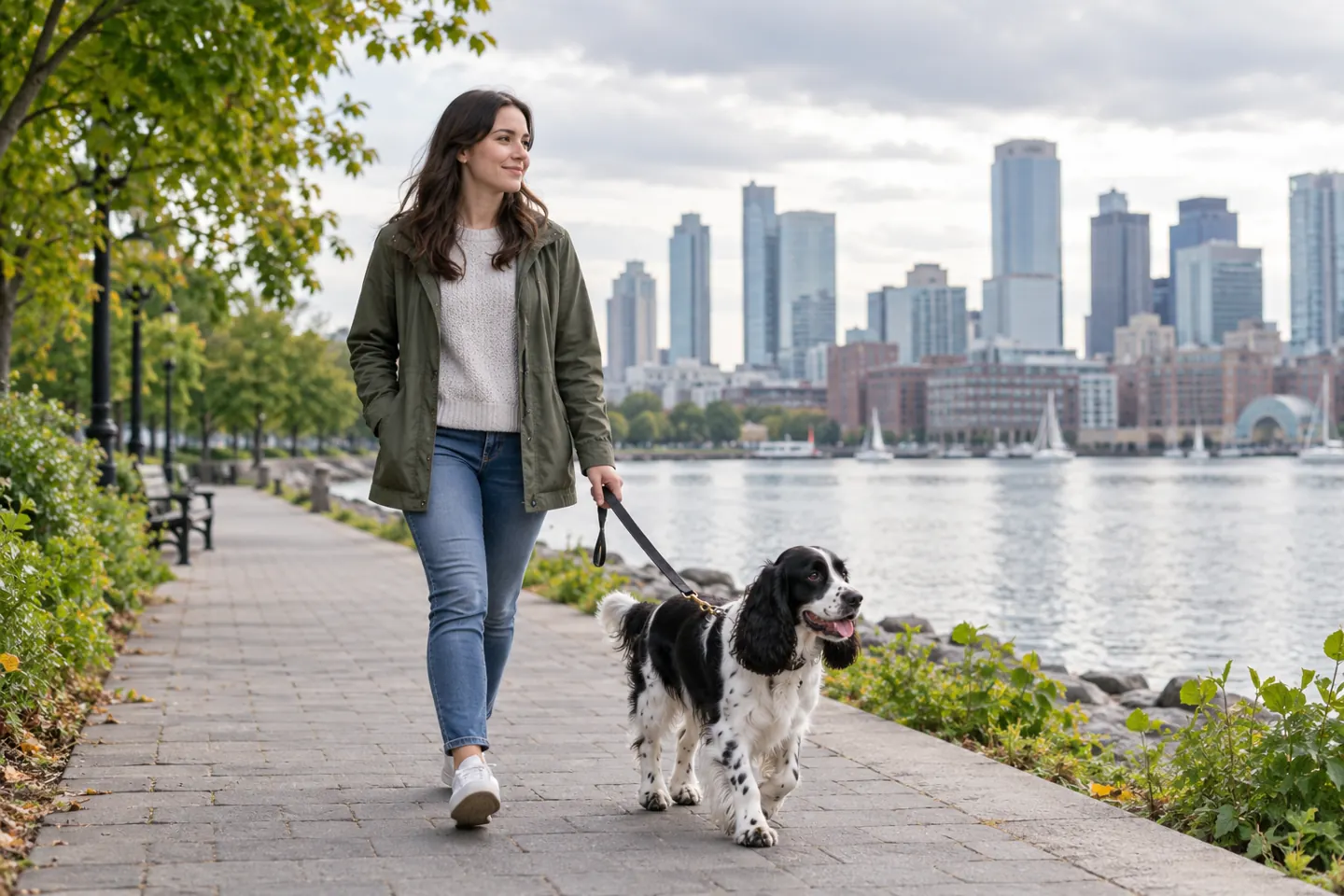
How to Plan a Dog-Friendly Day in the City
Build a dog-friendly city outing with a realistic route, rest stops, weather checks, and an easy exit plan.
Read the story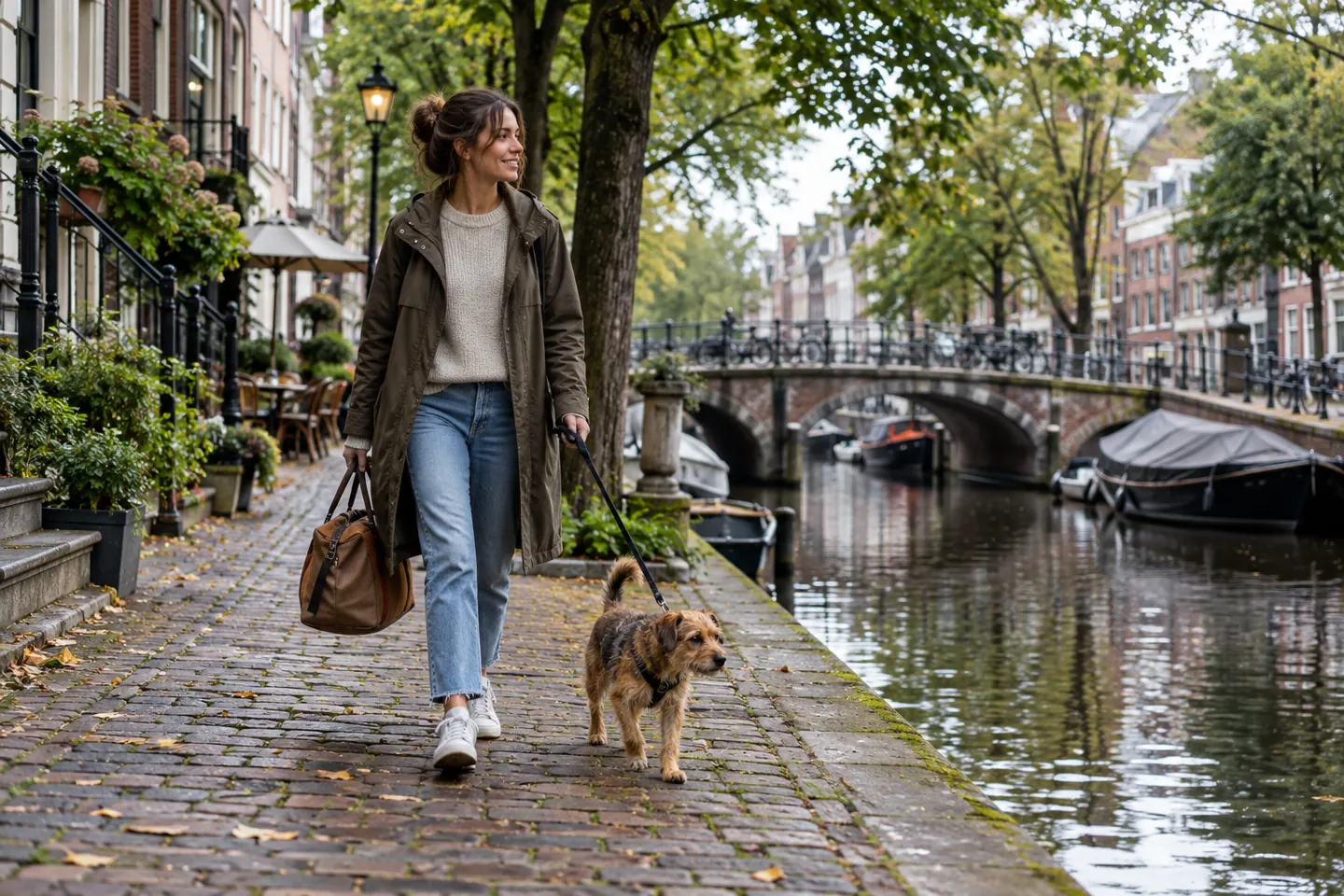
Exploring a New City With a Small Dog
A practical small-dog travel plan covering routes, carriers, transit rules, rest stops, and the first day in a new city.
Read the story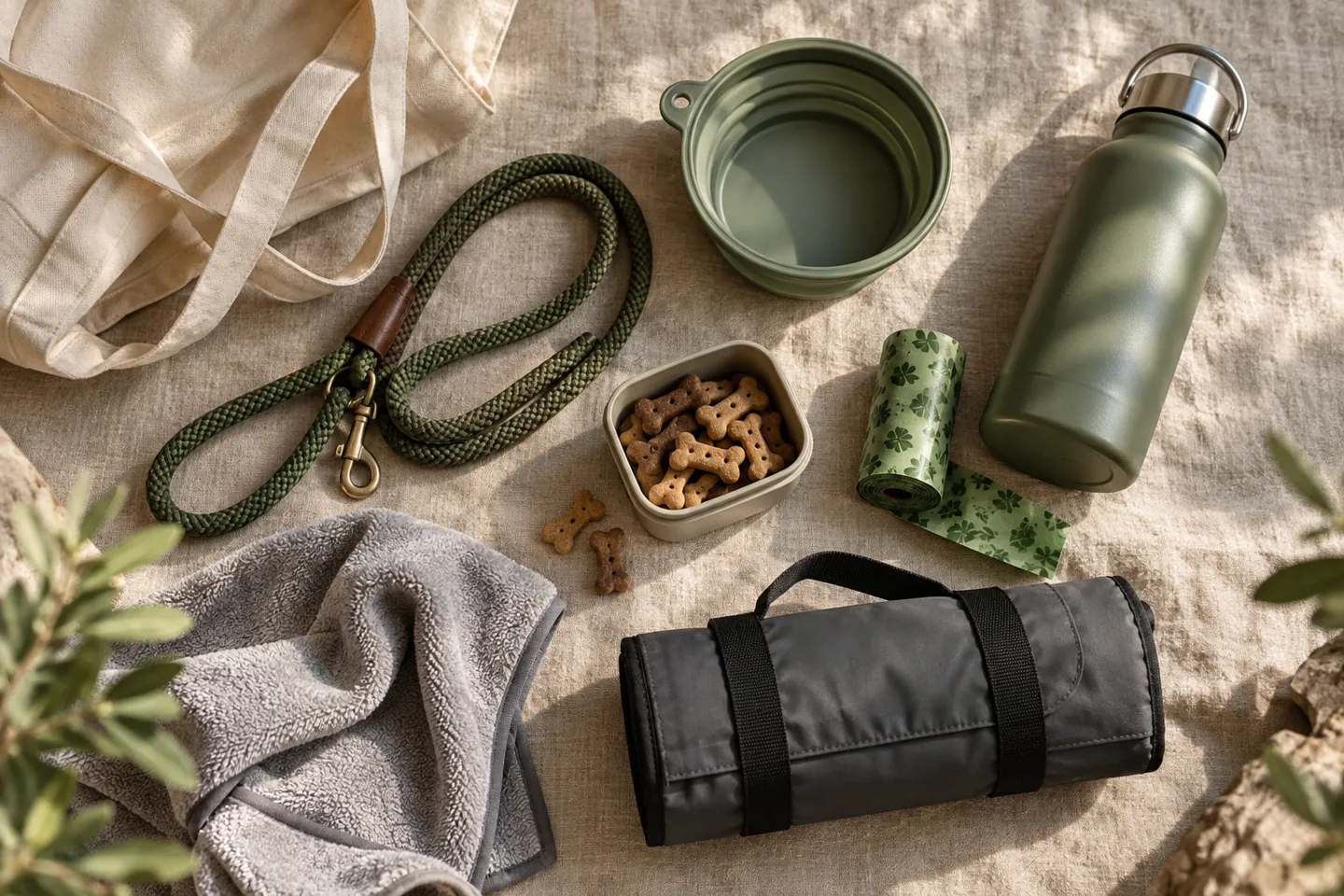
What to Pack for a Full Day Out With Your Dog
A useful dog day-out packing list organized by trip length, weather, transport, and the entry rules of your destination.
Read the story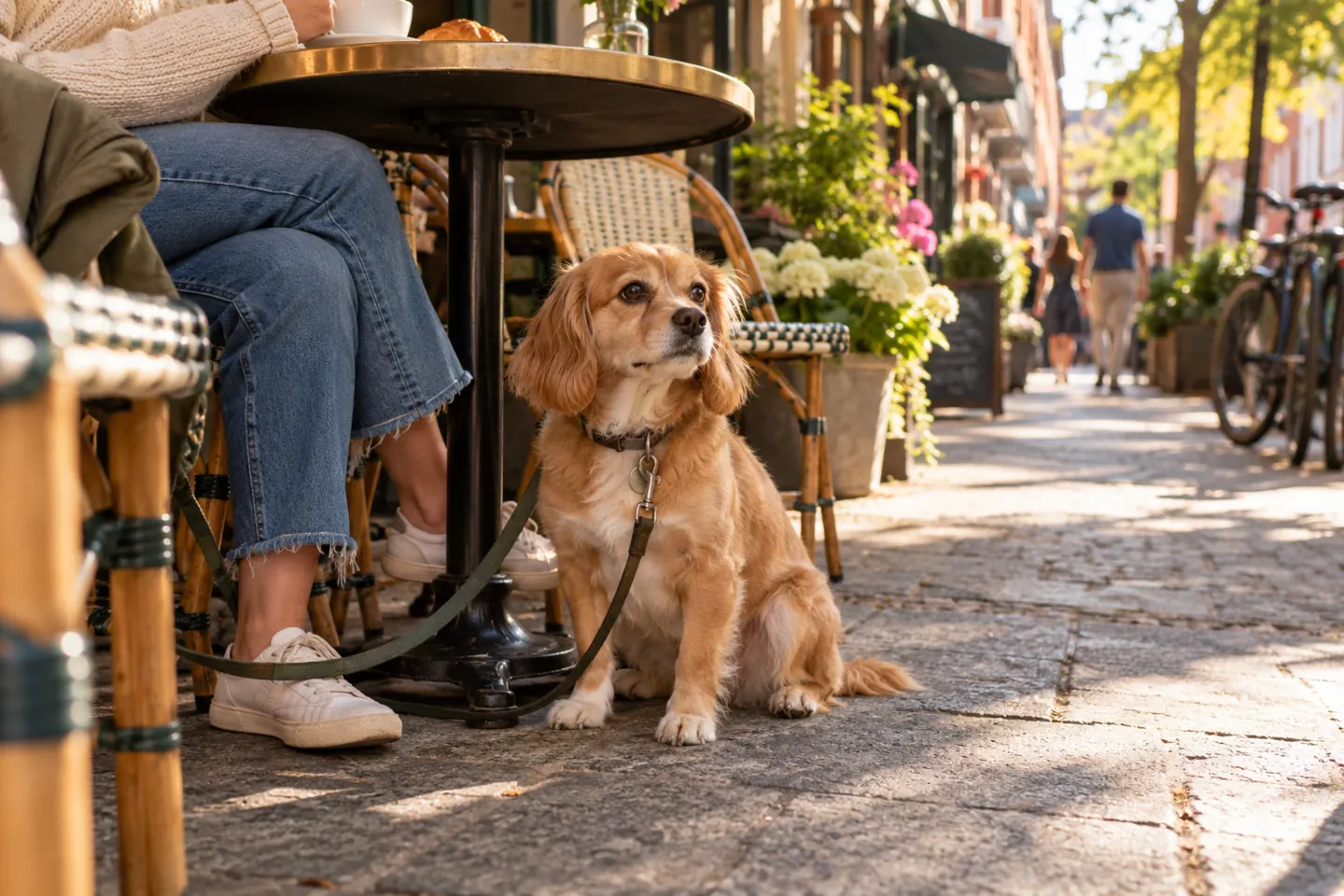
City Dog Etiquette for Parks, Sidewalks, and Cafes
Clear everyday etiquette for sharing urban parks, narrow sidewalks, cafe patios, and public spaces with a dog.
Read the story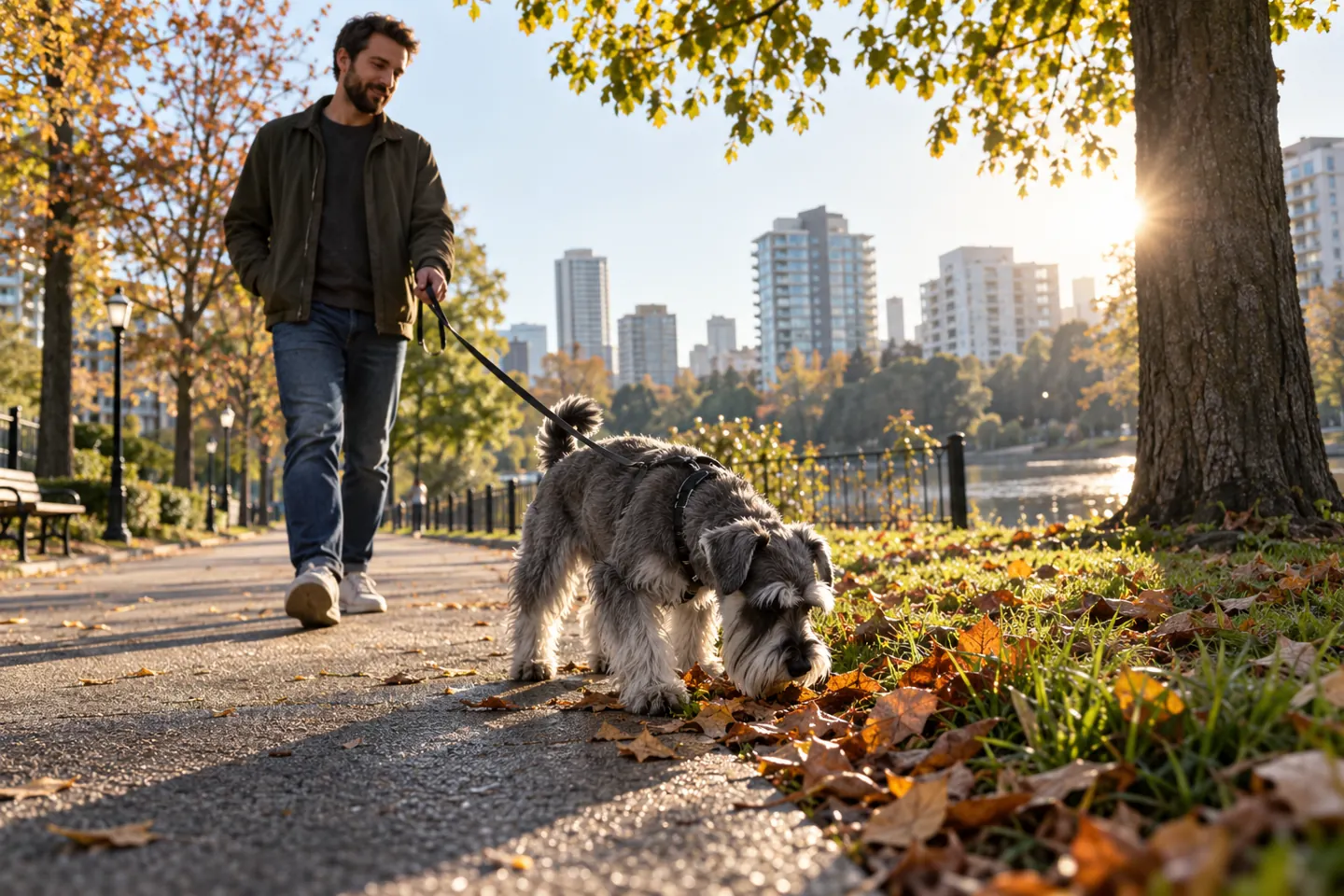
Make City Walks More Enjoyable for Your Dog
Practical ways to choose calmer routes, add sniff time, handle street distractions, and adjust city walks to your dog.
Read the storyA better outing begins before the door.
Start with the conditions you can actually check: the weather, your dog’s energy, whether pets are admitted, and how you will get home. Add one appealing destination. Keep another as an option, not an obligation.
For a busy outdoor event, read the organizer’s pet rules and consider the sound, crowds, and available shade. Ticketed events can have different policies from the public space around them. If security screening is involved, check the current bag rules and pack dog supplies accordingly. For travel by car, note the access point and a place to pause before you join a queue.
The person handling the lead needs a workable plan too. Can you carry the bag comfortably? Is there a calm route from parking or transit? Can you leave without crossing the most crowded part of the event? A little attention to those details frees you to enjoy the time together. Our event planning guide walks through these decisions.
Choose rest stops before you need them. A shaded bench, a wide side street, or an easy route back to the car can change how long a day feels. Bring water even if you expect a fountain. Check a cafe’s policy instead of assuming its patio welcomes pets. Plans are strongest when they allow you to say, “That was enough for today.”
Three checks before every bigger day.
01 / The place
Confirm current dog access, leash rules, event entry, and any transport restrictions with the operator or organizer. A social post or old directory listing is no substitute for the current policy.
02 / The dog
Think about energy, weather tolerance, comfort with strangers, and what the last outing was like. A familiar quiet option is worth keeping in reserve.
03 / The way home
Carry water and the small essentials. Have a return route that still works if you leave early, change destinations, or skip transit during a busy period.
There is no single bag for every trip. For a short loop you may only need water, a bowl, lead, and waste bags. A longer day adds a resting mat, towel, and food when the schedule requires it. See the full-day dog outing packing list for a practical breakdown.
“The best route is the one where your dog has room to be a dog, and you have room to change your mind.”
We cover ordinary city days as carefully as special ones: the cafe stop that works, the market you should leave early, the better hour for a walk, and the small bag that holds what you actually need.
More ways to spend a day together.
Dog-Friendly Celebration Ideas That Feel Personal
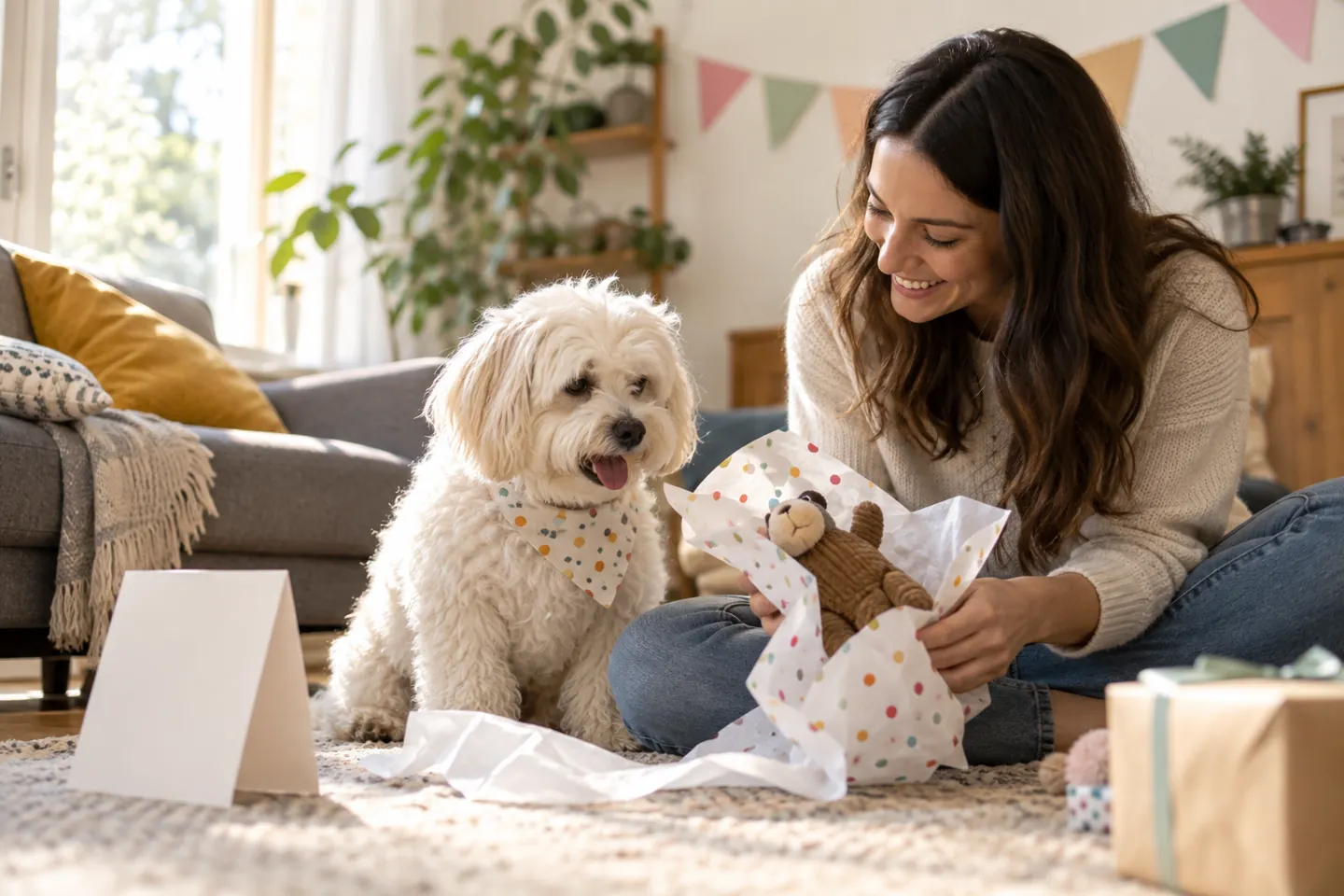
Celebrate a dog birthday or special day with low-stress outings, safe routines, thoughtful photos, and a plan your dog will actually enjoy.
Read the storyTaking Your Dog to Busy Outdoor Events
How to check pet entry rules, plan a calm arrival, pack thoughtfully, and decide when a busy event is too much for your dog.
Read the storyCity Dog Etiquette for Parks, Sidewalks, and Cafes
Clear everyday etiquette for sharing urban parks, narrow sidewalks, cafe patios, and public spaces with a dog.
Read the storyCurious, practical, and honest about the details.
We write for people who want to make thoughtful decisions with their dogs, not collect the longest list of supposed dog-friendly places. A business changes its policy. A park closes a gate. A pleasant patio gets noisy. We focus on how to verify a plan and adjust it as conditions change.
Our articles describe general planning and etiquette. Where rules matter, we direct you to the current organizer, transit operator, or park authority. We use established animal welfare sources for broader safety context and encourage a veterinarian’s advice when health questions arise. Our editorial policy explains how we research and correct stories.
We do not claim a universal answer for every dog. A small dog can enjoy a busy street; another may prefer a quiet block. Your own observations, alongside advice from qualified professionals when needed, should shape the day.
Get to know the site ↗Choose the day that fits, then choose the destination.
The familiar loop. A dog does not need a new neighborhood every day. A walk past known corners, with time to sniff and a brief pause away from traffic, can be satisfying. Try reversing the route or changing the start time before adding another destination. Our city walking guide explores these little adjustments.
The low-key discovery. Find one new green space or a dog-permitted outdoor table within easy reach of home. Keep the journey short and visit during a quieter hour. Notice the approach: is the sidewalk wide enough, is there shade, and can you leave easily? The discovery may be a calmer street nearby rather than the destination itself.
The special occasion. A birthday can be a favorite walk, one familiar visitor, or a new toy at home. A celebration does not need a crowded venue or unfamiliar food. Let the dog’s preferences shape the day, then take a photograph if they are comfortable. Our celebration ideas include several ways to keep a special day gentle.
The longer expedition. A festival, day trip, or new-city visit needs more preparation. Check pet entry rules, transit or parking, weather, water, and a simple exit. Keep the first visit shorter than you think you can manage, then expand next time if your dog enjoys it. For a new destination, our small-dog travel guide explains how to settle in before sightseeing.
These types of days can blend together. A familiar route can end at a new cafe. A planned event can become a quiet park walk when you discover that the event is louder than expected. There is no prize for completing the original itinerary. What matters is that you and your dog can make a good choice as conditions change.
Before you commit to a new place
Search for the current official pet policy and note any difference between the surrounding public area and the actual event or business. Check how you will arrive and whether the dog will have space to pause. Look up the forecast near departure, not only when you start planning. Take your dog’s recent behavior seriously: if they seemed worn out yesterday, make today lighter.
If the place is a cafe, a call can settle whether pet dogs are permitted on the patio. If it is a ticketed event, the organizer should clarify access and security rules. If it is transit, consult the operator’s current animal policy. This habit is more useful than trusting any static list of supposedly dog-friendly locations.
Leave space for the unplanned part.
Some of the best city dog moments happen between destinations: a slow sniff at the end of a tree-lined block, an unexpectedly quiet seat outdoors, or a turn down a street you have never walked. A plan should make those moments easier to notice, not push you past them.
Start with a route and a return option. Carry water and the few things your dog needs. Then let the pace change when it should. If your dog wants to rest, pause. If the street gets loud, find another way. If you both have energy left, add a second stop. This is what makes a day out feel like shared time rather than an errand to finish.
We hope the stories here become useful before you leave and recognizable once you are outside. Save the dog-friendly day planner, then adapt it to the dog and the neighborhood you know.